
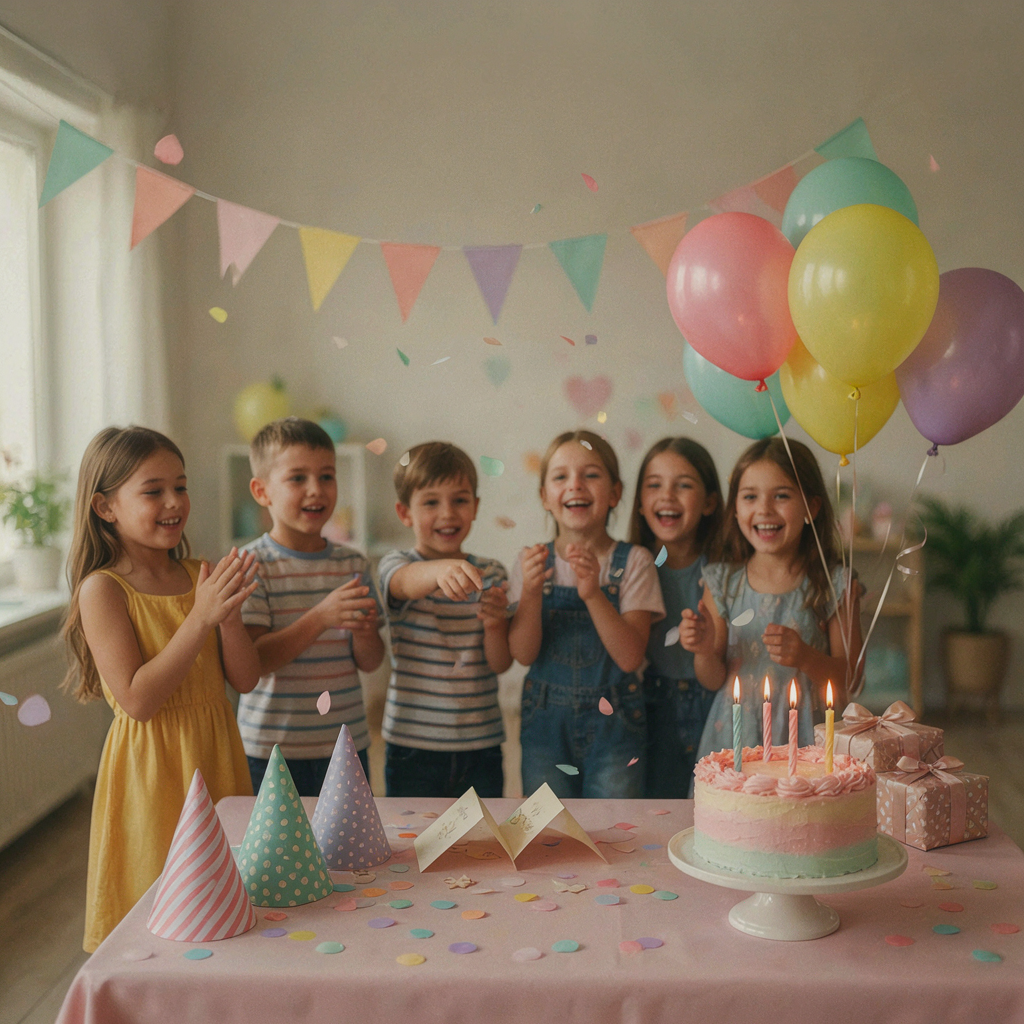
Choosing a birthday invitation may seem like a small part of party planning, but it can set the tone for the entire celebration. The invitation is often the first thing guests see, so it should give them a sense of the fun, theme, and personality behind the event.
With countless colors, themes, layouts, formats, and customization options available, finding the right invitation can sometimes feel overwhelming. The easiest approach is to focus on what suits the birthday child, the party itself, and the guests receiving it.
Here is a practical guide to choosing an invitation that feels exciting, personal, and easy to understand.
Start With the Birthday Child
The most important consideration is the child being celebrated. Their interests can provide an excellent starting point for the invitation.
Think about their favorite:
- Colors
- Animals
- Hobbies
- Sports
- Games
- Books
- Characters
- Activities
- Movies
- Places
A dinosaur-loving child might enjoy a prehistoric adventure, while a young artist could have a colorful paint-themed invitation. Choosing something connected to the child’s personality makes the invitation feel more meaningful.
Consider the Child’s Age
An invitation that works beautifully for a toddler may not appeal to a nine-year-old.
For babies and toddlers, soft illustrations, animals, simple shapes, and cheerful colors can work well. Preschool children may enjoy cartoons, dinosaurs, rainbows, vehicles, or fantasy themes.
Older children may prefer sports, gaming, music, science, travel, or more modern designs.
The design should grow with the child rather than feeling too young or overly sophisticated.
Choose a Party Theme
If the birthday party has a theme, the invitation is a natural place to introduce it. A cohesive theme can connect the invitation with decorations, cake, party favors, and activities.
Some popular possibilities include:
Animal Themes
Jungle, safari, farm, woodland, ocean, or individual favorite animals.
Adventure Themes
Explorers, camping, treasure hunts, pirates, or outdoor adventures.
Fantasy Themes
Fairies, castles, magical creatures, and storybook worlds.
Activity Themes
Sports, painting, baking, dancing, science, or crafting.
Space Themes
Rockets, planets, astronauts, stars, and imaginative missions.
Choosing one clear theme usually produces a stronger visual identity than combining several unrelated ideas.
Pick the Right Color Palette
Color has a major influence on how an invitation feels. Bright combinations can create an energetic party atmosphere, while pastels and neutral shades can produce a softer appearance.
You might choose:
- Bright yellow and blue for an energetic celebration
- Green and brown for a dinosaur or jungle party
- Pink, lavender, and cream for a magical theme
- Navy and gold for a more polished look
- Rainbow colors for a cheerful, gender-neutral design
Try limiting the design to a few coordinated colors. A neutral shade can also help balance a colorful palette and improve text readability.
Decide Between Fun and Elegant
Not every children’s birthday invitation needs to look extremely colorful.
For a playful party, consider bold lettering, cartoon illustrations, confetti, balloons, and bright colors.
For a more elegant celebration, choose a restrained palette, delicate illustrations, attractive typography, and plenty of open space.
You can also combine the two approaches. For example, a minimalist animal illustration with cheerful colors can feel both sophisticated and child-friendly.
Choose the Right Invitation Format
Think about how you plan to distribute the invitations.
Printed Invitations
Printed cards are ideal when you want something tangible that guests can keep. Cardstock can also make a simple design feel more substantial.
Digital Invitations
Digital invitations are convenient for sharing through messaging apps, email, or social platforms. They also make it easy to update information or include interactive elements.
Printable Invitations
Printable templates offer flexibility because you can customize the information and print as many copies as needed.
The best format depends on your guest list, budget, party style, and how you prefer to communicate with other parents.
Make the Child’s Name Stand Out
The birthday child’s name should be one of the most noticeable elements.
For example:
Hooray!
Mason Is Turning 7!
You can make the name large and colorful or place it inside a decorative banner.
The child’s age can also become a major visual feature. A large number representing the birthday milestone can make the design immediately recognizable.
Choose Fonts Carefully
Typography needs to be both attractive and practical.
A playful handwritten or rounded font can work nicely for the main heading, while a simple font should be used for the date, time, address, and RSVP information.
Using too many decorative fonts can make an invitation difficult to read. A combination of one expressive display font and one clean supporting font is often enough.
Use Photos for Personalization
A photograph can turn a standard invitation into something unique.
Choose a recent image that captures the child’s personality. A happy portrait or action photograph can work particularly well.
You can use one large photograph, create a small collage, or combine the photo with themed illustrations.
For milestone birthdays, several photographs can create a mini visual journey through the child’s life.
Keep the Important Details Clear
A beautiful invitation still needs to answer the practical questions parents have.
Make sure it includes:
- Birthday child’s name
- Age
- Date and day
- Start time
- End time
- Venue
- Address
- RSVP contact
- Special instructions
Clearly displaying the date, time, location, and contact information makes the invitation much easier for parents to use.
If children need costumes, swimming clothes, outdoor shoes, or other supplies, mention those details clearly.
Think About the Guest Experience
Remember that the invitation may be viewed by both children and adults.
Children are likely to notice the colors, characters, pictures, and overall excitement. Parents need to find the practical information quickly.
A successful invitation satisfies both audiences: fun for the child, useful for the parent.
Match the Invitation to the Venue
The location can also influence your design.
A park party might use flowers, sunshine, animals, or outdoor adventure graphics. A trampoline party could use energetic shapes and movement-inspired elements. A home baking party could feature cupcakes, cookies, and colorful kitchen illustrations.
When the invitation reflects the actual experience, guests immediately understand what kind of celebration to expect.
Consider Interactive Invitations
Digital invitations provide opportunities that printed cards cannot easily offer.
You can add animations, clickable RSVP buttons, short videos, countdowns, or small interactive surprises. Some modern designs even use quizzes or reveal-style features to turn receiving the invitation into a mini activity.
Keep interactive elements simple, however. Parents should still be able to access the essential party details quickly.
Personalize the Wording
The wording does not need to sound formal.
Instead of simply writing “You are invited,” create a message that matches the child’s personality and party theme.
For example:
“Grab your explorer hat and join Noah for an afternoon of birthday adventures!”
Or:
“Cake, games, giggles, and a whole lot of fun—come celebrate Emma’s big day!”
A personal message can make a template feel much more unique.
Don’t Overcrowd the Design
One of the easiest mistakes is trying to include too much.
You may love dinosaurs, balloons, stars, confetti, photographs, colorful patterns, and decorative fonts—but putting everything together can make the invitation confusing.
Choose one main design idea and a few supporting details.
Good spacing is just as important as good decoration.
Coordinate the Whole Party
Once you have chosen an invitation, consider using its colors and visual elements throughout the celebration.
The same palette could appear on:
- Birthday banners
- Cake decorations
- Welcome signs
- Party bags
- Table settings
- Thank-you cards
This creates a cohesive look without requiring every item to be identical.
Proofread Before Sending
Before printing or sharing the invitation, check every detail.
Confirm the spelling of the child’s name, date, time, venue, address, and RSVP information.
If possible, ask another adult to proofread it as well. A small mistake on an invitation can create unnecessary confusion.
For printed invitations, make one test copy before printing the entire batch.
Final Thoughts
Choosing the perfect Kids Birthday Invitations is ultimately about finding the right balance between personality, theme, appearance, and practicality.
Start with the birthday child’s interests and age. Choose a party theme and color palette that fit the celebration, then select a format that works for your guests. Add a favorite photograph or personalized message if appropriate, and make sure the essential details are impossible to miss.
Most importantly, don’t feel pressured to follow every trend. The best invitation is one that feels right for your child and gives guests a genuine preview of the celebration.