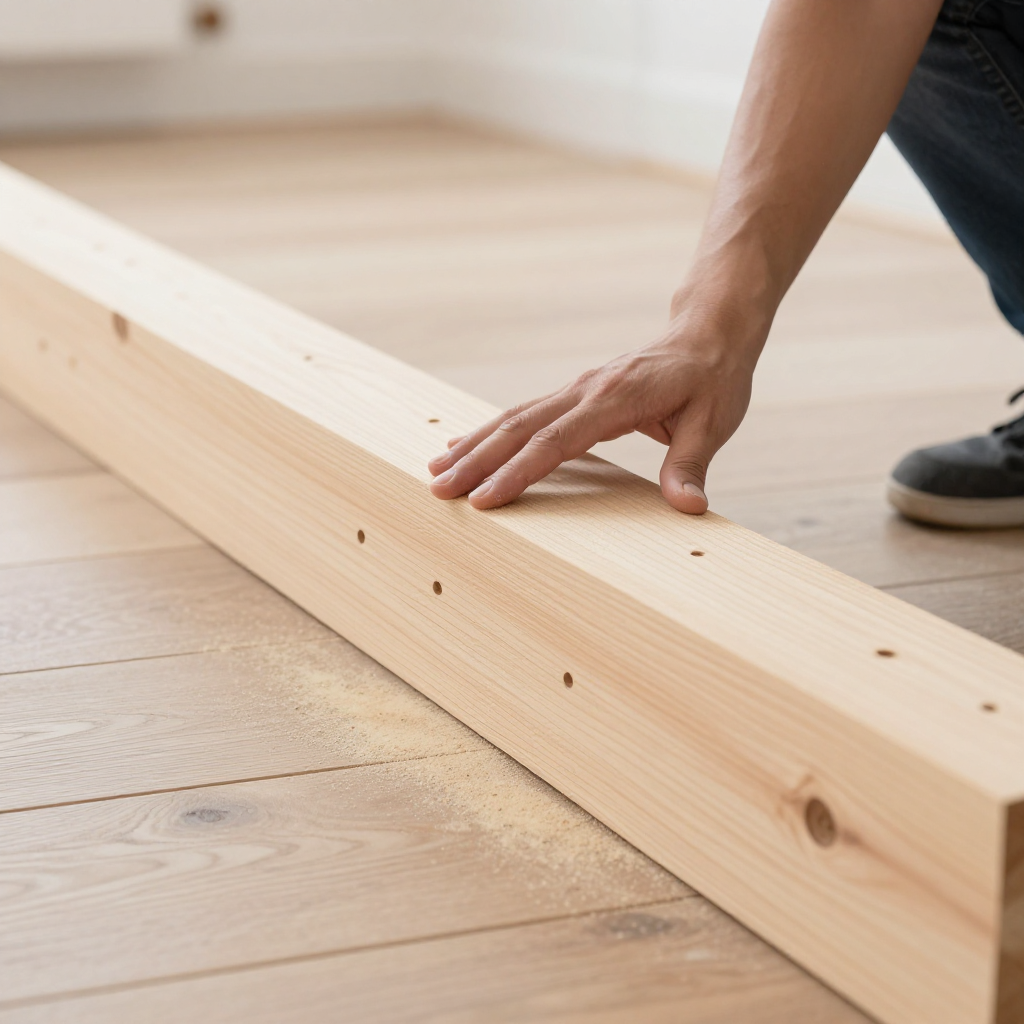
When dealing with woodworm, termites, beetles, or other wood-boring insects, one of the biggest challenges is reaching pests hidden deep inside timber. Many infestations develop quietly beneath the surface of wood, making treatment difficult. Homeowners often wonder whether modern methods such as microwave treatment can actually reach hidden wood and eliminate pests that traditional surface sprays may miss.
The short answer is yes — microwave treatment can often reach hidden wood, depending on the thickness of the material, the location of the timber, and the type of equipment being used. Unlike traditional chemical sprays that mainly work on surfaces, microwave technology creates heat inside timber, helping target insects hidden deep within beams, flooring, furniture, and structural wood.
Because hidden infestations often cause the most serious long-term damage, the ability to treat internal timber is one reason microwave technology has become increasingly popular.
Many homeowners researching timber care through shashel.eu/ want to understand whether microwave treatment is effective for hard-to-reach areas and concealed structural timber.
In this article, we will explain how microwave treatment works, how deeply it can penetrate hidden wood, and when it works best.
What Is Microwave Treatment?
Microwave treatment is a modern pest control method used to eliminate hidden insects inside timber.
How It Works
Microwave energy heats moisture molecules inside wood and insect bodies.
This heat destroys:
- Larvae
- Eggs
- Adult insects
Unlike traditional heating methods, microwave treatment works from the inside rather than heating only the surface.
This makes it especially useful for wood-boring insects.
Yes, Microwave Treatment Can Reach Hidden Wood
One of the biggest advantages of microwave technology is its ability to target hidden infestation.
Why Hidden Wood Matters
Wood-boring insects often live inside:
- Ceiling beams
- Roof timbers
- Floorboards
- Wall supports
Traditional sprays sometimes struggle to reach these hidden areas.
Microwave treatment can often penetrate timber and generate heat internally.
This helps target pests hidden beneath the surface.
How Microwave Energy Reaches Hidden Timber
Microwave systems work differently than surface treatments.
Internal Heating Process
Microwave energy interacts with moisture inside wood.
As water molecules vibrate:
- Heat develops internally
Because insects also contain moisture:
They heat up quickly
This makes microwave treatment highly effective for hidden larvae.
Why Internal Heating Helps
Instead of treating only visible surfaces:
Heat develops inside timber
This allows treatment to reach areas hidden from view.
Can Microwave Treatment Reach Thick Wooden Beams?
Yes, but effectiveness depends on timber thickness.
Thick Structural Timber
Microwave treatment often works well for:
- Roof beams
- Ceiling supports
- Floor joists
Professional systems are designed to penetrate deeper than household devices.
Important Factors
Success depends on:
- Beam thickness
- Moisture content
- Equipment strength
Professional assessment helps determine expected effectiveness.
Many homeowners researching advanced timber protection through shashel.eu often choose microwave treatment because it works well for thick hidden beams where traditional treatments struggle.
Can Microwave Treatment Reach Wood Behind Walls?
In some situations:
Yes
Hidden timber inside walls may sometimes be treated.
Examples Include
- Wall supports
- Hidden timber framing
However, access and material thickness matter.
Professionals evaluate:
- Wall structure
- Treatment access
Some situations may require alternative methods.
Can Microwave Treatment Reach Under Floorboards?
Flooring is another common hidden infestation area.
Why This Matters
Woodworm and beetles often attack:
- Floor joists
- Hidden subfloor timber
Microwave treatment may penetrate wooden flooring and target pests underneath.
This is especially useful for hidden structural infestation.
Professional evaluation improves results.
Microwave Treatment vs Surface Pesticides
Traditional pesticides often remain near the surface.
Why Surface Treatments Struggle
Chemicals may not fully reach:
- Deep larvae
- Internal tunnels
Microwave Advantage
Microwave heat develops inside wood.
This often improves effectiveness for:
- Hidden infestation
- Thick timber
Deep penetration is one of microwave treatment’s biggest strengths.
What Affects Microwave Penetration?
Several factors influence how deeply microwave treatment reaches.
Moisture Content
Microwave treatment works best where moisture exists.
Why Moisture Matters
Water molecules absorb microwave energy.
Wood with healthy moisture levels often responds better.
Dry timber may behave differently.
Wood Thickness
Very thick wood may require:
- Longer treatment times
- More powerful equipment
Professionals adjust treatment based on timber size.
Type of Wood
Different timber densities affect heat movement.
Some woods absorb heat differently.
Professional expertise improves effectiveness.
Equipment Quality
Professional microwave systems are far stronger than household appliances.
Why Professional Equipment Matters
Professional systems provide:
- Better control
- Deeper penetration
- Safer treatment
DIY approaches are not recommended.
Can Microwave Treatment Kill Hidden Larvae?
Yes.
One of microwave treatment’s biggest advantages is targeting hidden larvae.
Why It Works
Larvae contain moisture.
As internal heat rises:
- Cells become damaged
- Survival becomes impossible
Microwave treatment often destroys:
- Larvae
- Eggs
- Adult insects
This helps reduce reinfestation.
Can Microwave Treatment Damage Hidden Wood?
Professionally controlled treatment is generally safe.
Why Wood Usually Remains Safe
Experts carefully manage:
- Heat levels
- Treatment time
The goal is to destroy pests while preserving timber.
This makes microwave treatment suitable for:
- Structural wood
- Furniture
- Antique timber
Professional monitoring matters.
Best Situations for Microwave Treatment
Microwave treatment often works best for:
Hidden Structural Timber
Such as:
- Roof beams
- Ceiling joists
- Floor supports
Antique Furniture
Chemical-free treatment protects delicate finishes.
Severe Hidden Infestation
Especially when larvae remain deep inside timber.
Microwave treatment is often highly effective in these situations.
Limitations of Microwave Treatment
Although effective, microwave treatment has limits.
Extremely Thick Materials
Very dense timber may require multiple treatments.
Limited Access Areas
Completely blocked spaces may reduce effectiveness.
Professional Service Needed
Specialized equipment is required.
Professional assessment improves success.
Signs Hidden Wood May Need Treatment
Watch for:
Tiny Holes in Visible Wood
May indicate hidden infestation deeper inside.
Powdery Dust
Fresh dust often signals active larvae.
Hollow-Sounding Timber
Internal tunneling weakens wood.
Weak Floorboards or Beams
Structural timber may require inspection.
Early action protects timber.
Common Misconceptions
Myth 1: Microwave Treatment Only Heats the Surface
False.
Heat develops internally.
Myth 2: Hidden Wood Cannot Be Reached
False.
Many structural areas can be treated.
Myth 3: Microwave Treatment Damages Timber
Professional systems protect wood carefully.
Understanding how treatment works helps homeowners make informed decisions.
Conclusion
So, can microwave treatment reach hidden wood? In many situations, yes — microwave treatment can effectively penetrate timber and target hidden infestation inside beams, flooring, structural supports, and furniture.
Because microwave energy generates heat internally, it often reaches hidden larvae and eggs more effectively than traditional surface pesticides. This makes microwave treatment especially useful for concealed timber and hard-to-reach infestations.